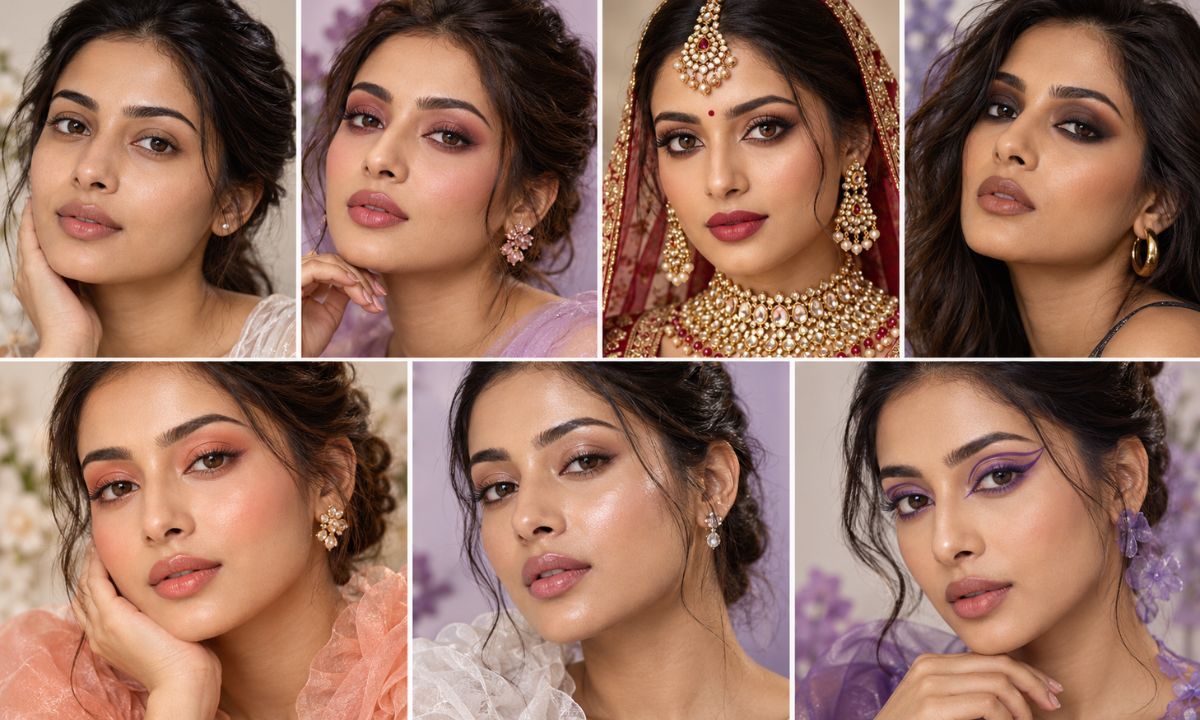
7 Makeup Looks Every Aspiring Makeup Artist Should Learn
If you are searching for a Beautician Course Gurgaon, you may be wondering which makeup looks to learn first. Start with looks that help you practise useful skills, such as matching foundation, blending colours, and balancing the eyes and lips. These skills will help you adapt your work to different clients.
You do not need to follow every new trend to become a good makeup artist. A client may want soft makeup for a daytime function or a bold look for an evening event. Your job is to understand their preference and create a look that suits their features, outfit, and occasion.
When choosing a Makeup Academy in Gurgaon, ask how students practise different looks. Watching a trainer complete a demonstration is helpful, but applying makeup yourself and receiving clear feedback will show you where you need to improve.
The seven looks below give beginners a useful starting point. Some focus on a natural finish, while others involve stronger colours or more creative work. They can also overlap—a bridal look, for example, may include soft glam makeup or smoky eyes.
A Makeup Artist Course should help you understand the choices behind a finished look. Why does a foundation shade suit the client? Where should you place blush? How much shimmer works for the occasion? Learning to answer these questions is more useful than copying a photograph without understanding it.
1. Natural Makeup
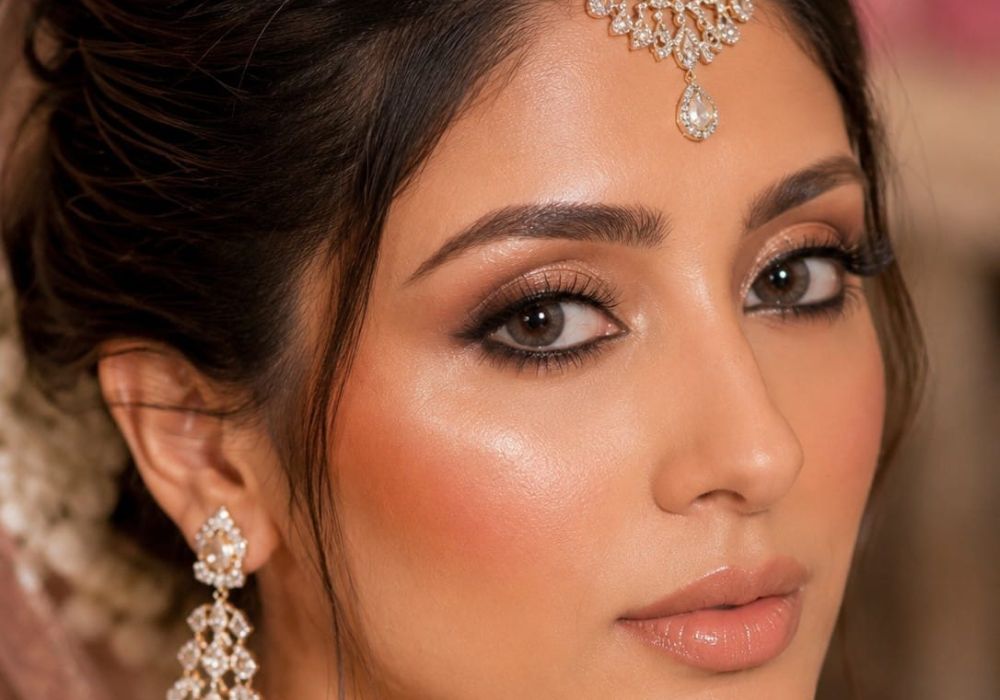
Natural makeup adds light definition while allowing the skin’s texture and features to remain visible. The finished look should feel balanced, with no single feature appearing much stronger than the others.
It may include light coverage, softly filled brows, a little blush, mascara, and a lip colour close to the client’s natural shade.
When to use it: Daytime events, work functions, or appointments where the client wants a subtle finish.
What to practise:
- Matching foundation to the face and neck
- Applying concealer only where needed
- Blending cream or powder blush
- Defining brows without making them too dark
Common mistake: Applying a heavy base and trying to make it look natural afterwards. Start with a small amount of product and add coverage where necessary.
2. Soft Glam Makeup
Soft glam gives the face more definition than natural makeup while keeping the edges blended. Think softly shaded eyes, gentle cheek definition, and lips that complement the rest of the face.
The colours do not have to be brown or nude. Soft pink, peach, mauve, and other shades can work depending on the client’s skin tone and preferences.
When to use it: Engagement functions, family celebrations, dinners, and wedding guest appointments.
What to practise:
- Blending eyeshadow without harsh lines
- Building coverage in thin layers
- Applying lashes comfortably, if requested
- Balancing blush, bronzer, and highlighter
Common mistake: Adding more product whenever something looks uneven. Sometimes the area needs blending rather than another layer.
3. Bridal Makeup
Bridal makeup is planned around the bride and the wedding. It may be soft, colourful, matte, or luminous. There is no single bridal look that suits everyone.
Before starting, discuss the outfit, jewellery, ceremony timing, preferred coverage, and any skin sensitivities. Ask what the bride likes and what she wants to avoid.
When to use it: Wedding ceremonies and related bridal functions.
What to practise:
- Planning a look through a client consultation
- Preparing the skin for the chosen products
- Creating an even base without unnecessary heaviness
- Checking the makeup in person and in photographs
- Completing the application within an agreed time
Common mistake: Assuming every bride wants full coverage, dramatic eyes, and a strong lip. Confirm her preferences first.
4. Smoky Eye Makeup
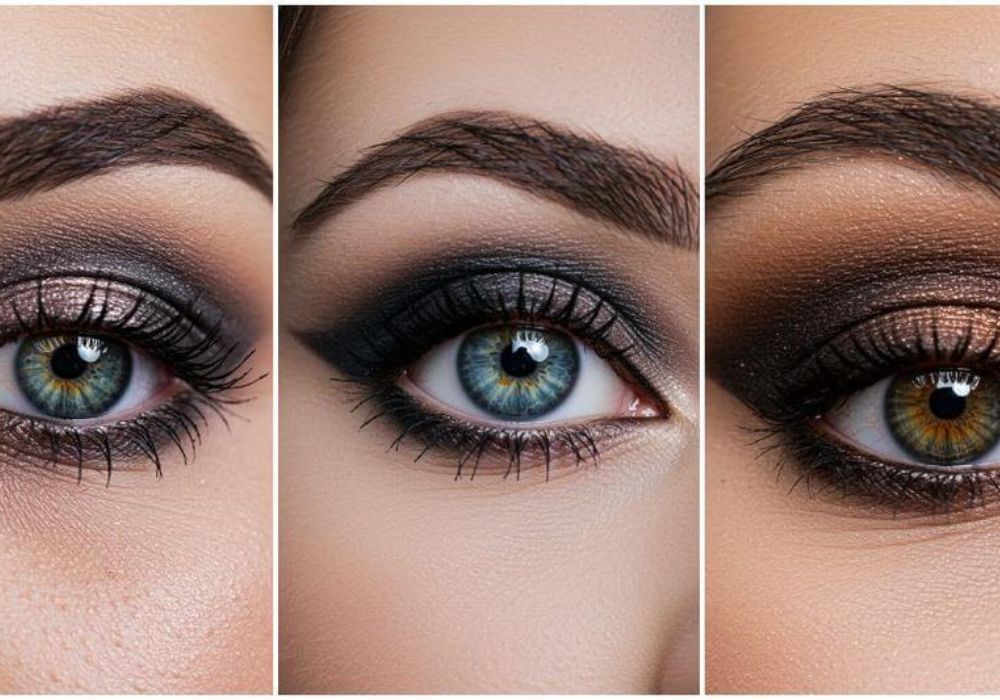
Smoky eye makeup uses blended colour to create depth around the eyes. It does not have to be black. Brown, bronze, plum, and other shades can create softer or more colourful versions.
The important skill is controlling the placement and blending the edges without losing the shape.
When to use it: Evening events, receptions, parties, or clients who want the eyes to be the main focus.
What to practise:
- Building darker shades gradually
- Keeping both eyes balanced
- Blending the lower lash line
- Cleaning fallout without disturbing the base
Common mistake: Spreading dark eyeshadow too far before deciding on the shape. Begin with a small area and build slowly.
5. Monochromatic Makeup
Monochromatic makeup uses one colour family across the eyes, cheeks, and lips. For example, you could combine a soft rose eyeshadow, rose-toned blush, and a deeper rose lipstick.
The shades do not need to match exactly. Different depths and textures can make the look more interesting.
When to use it: Daytime celebrations, coordinated occasion looks, and clients who prefer a simple colour palette.
What to practise:
- Choosing shades that work together
- Adjusting the strength of colour on each feature
- Combining matte and luminous finishes
Common mistake: Using the same product everywhere without checking its intended use. Only apply products to areas they are labelled as suitable for.
6. Dewy Makeup
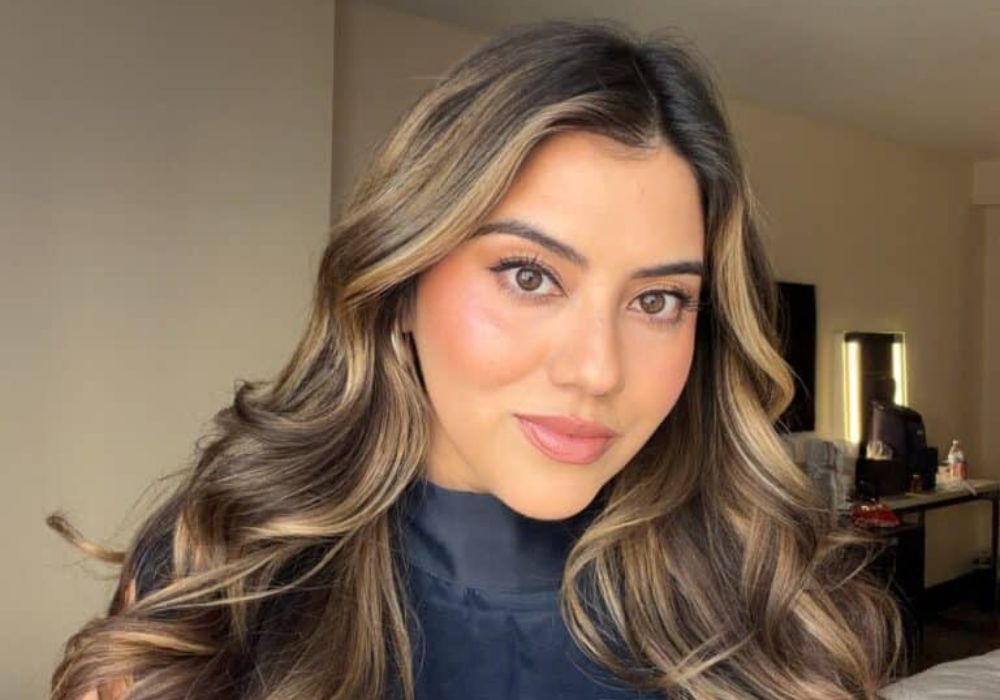
Dewy makeup creates a luminous finish, with controlled shine on selected areas of the face. It should look fresh rather than greasy.
Skin preparation and careful product placement matter more than covering the whole face with highlighter.
When to use it: Clients who enjoy a glowing finish, daytime occasions, and certain photography looks.
What to practise:
- Choosing skin preparation for the client’s needs
- Applying lightweight layers
- Placing highlighter selectively
- Setting areas that develop unwanted shine
Common mistake: Adding shimmer everywhere. Check the finish under the lighting in which the makeup will be seen.
7. Creative Makeup
Creative makeup gives you room to explore unusual colours, graphic shapes, and a clear visual idea. A look might use sharp liner, contrasting colours, or an unexpected placement of blush.
Start with a concept. Decide what you want the viewer to notice before choosing products.
When to use it: Portfolio projects, themed shoots, fashion work, and clients requesting an experimental look.
What to practise:
- Drawing clean lines and shapes
- Planning colour combinations
- Adapting a reference to the model’s features
- Keeping the finished look consistent with the brief
Common mistake: Adding several bold details without a plan. A clear idea is often more effective than a crowded design.
How to Practise These Looks
Choose one look at a time. Take photographs in consistent lighting, then review details such as foundation matching, blending, and symmetry. Ask your trainer for specific corrections and repeat the application.
As you improve, practise on different faces and skin tones. A technique that works on one person may need adjusting for another.
Keep hygiene part of every practice session. Clean your tools, avoid double-dipping, and follow product instructions.
Which Look Should You Learn First?
Begin with natural makeup to work on skin preparation, shade matching, and light application. Move on to soft glam and smoky eyes as your blending improves. Bridal and creative work will give you more opportunities to combine these skills.
You do not need to master everything at once. Focus on understanding your products, making thoughtful choices, and producing a finish that meets the client’s brief.