How Can I Make My Hair Shiny and Healthy?
Everyone wants hair that looks shiny, smooth, and healthy, but achieving it is not only about using expensive shampoos or salon treatments. Healthy-looking hair starts with a healthy scalp, proper nutrition, gentle hair care, and the right routine for your hair type. If you are learning professional hair care and styling, choosing the Best Hair Course in Gurgaon can also help you understand hair texture, scalp care, products, and professional hair treatments in a much better way. In this guide, we will discuss simple and practical ways to make your hair naturally shiny, soft, and healthier.
What Makes Hair Look Shiny and Healthy?
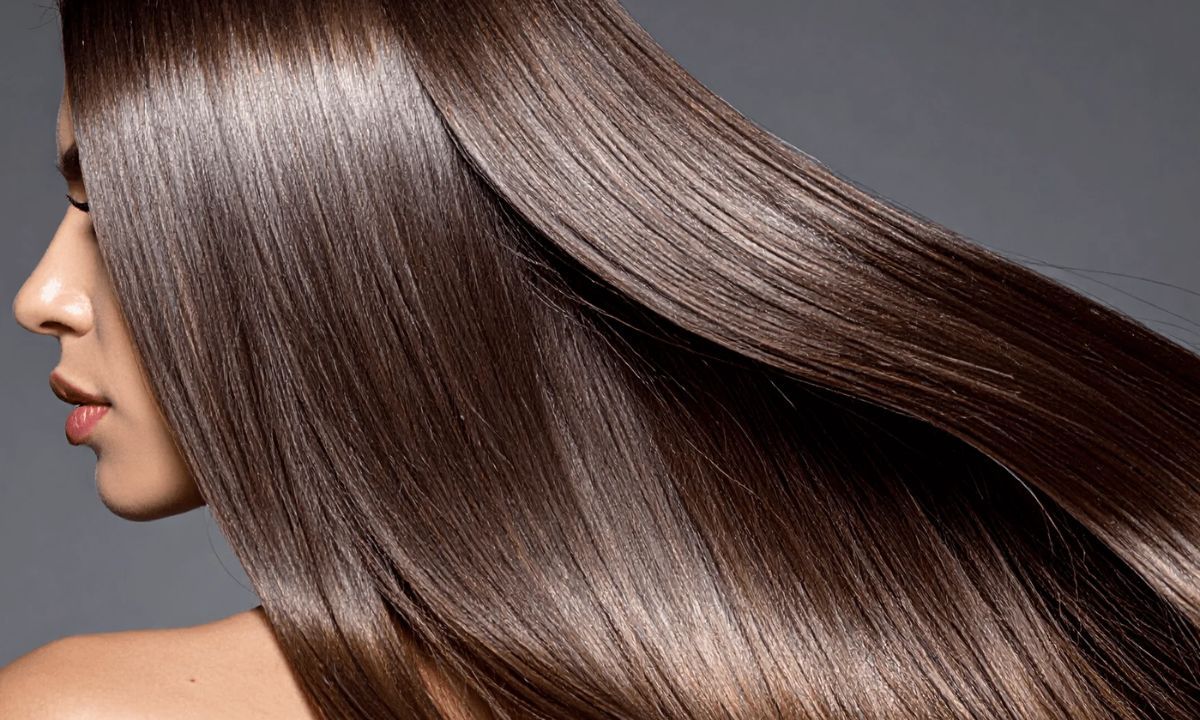
Shiny hair usually reflects light evenly from the outer layer of the hair shaft. When the hair cuticle is smooth and properly moisturized, the hair tends to look shinier. On the other hand, damaged, dry, or rough hair has raised or uneven cuticles, which can make it look dull and frizzy.
Hair shine does not necessarily mean that your hair is completely healthy. Some products can temporarily make damaged hair look glossy. Therefore, the real goal should be to improve the condition of your hair and scalp rather than simply adding artificial shine.
1. Choose the Right Shampoo
Shampoo removes sweat, oil, dirt, pollution, and product buildup from your scalp and hair. However, washing your hair too aggressively or using a shampoo that does not suit your scalp can contribute to dryness and irritation.
Choose your shampoo according to your scalp type:
- Oily scalp: A gentle cleansing shampoo may be suitable for regular washing.
- Dry scalp: Look for a mild, moisturizing formula.
- Dandruff-prone scalp: An anti-dandruff shampoo with appropriate active ingredients may be useful.
- Normal scalp: A gentle everyday shampoo can usually work well.
Apply shampoo mainly to the scalp, rather than repeatedly rubbing the lengths of your hair. The foam that runs through the lengths during rinsing is generally enough to clean them.
2. Do Not Skip Conditioner
One of the simplest ways to improve the appearance and manageability of your hair is to use conditioner after shampooing. Conditioner helps smooth the hair surface, reduce friction, improve softness, and make detangling easier.
Apply conditioner mainly to the mid-lengths and ends, especially if your scalp becomes oily quickly. Leave it on according to the product instructions and rinse properly.
If your hair is very dry or chemically treated, you may also benefit from a deep-conditioning treatment periodically.
3. Wash Your Hair According to Your Scalp
There is no universal rule that everyone should wash their hair on exactly the same schedule. The ideal frequency depends on your scalp, hair texture, lifestyle, and the amount of oil and buildup produced.
If your scalp becomes oily quickly, waiting too long between washes may leave it greasy and uncomfortable. If your hair and scalp are naturally dry, excessively frequent washing with harsh products may increase dryness.
The goal is simple: keep the scalp clean without unnecessarily stripping moisture from the hair.
4. Learn Professional Hair Care Techniques
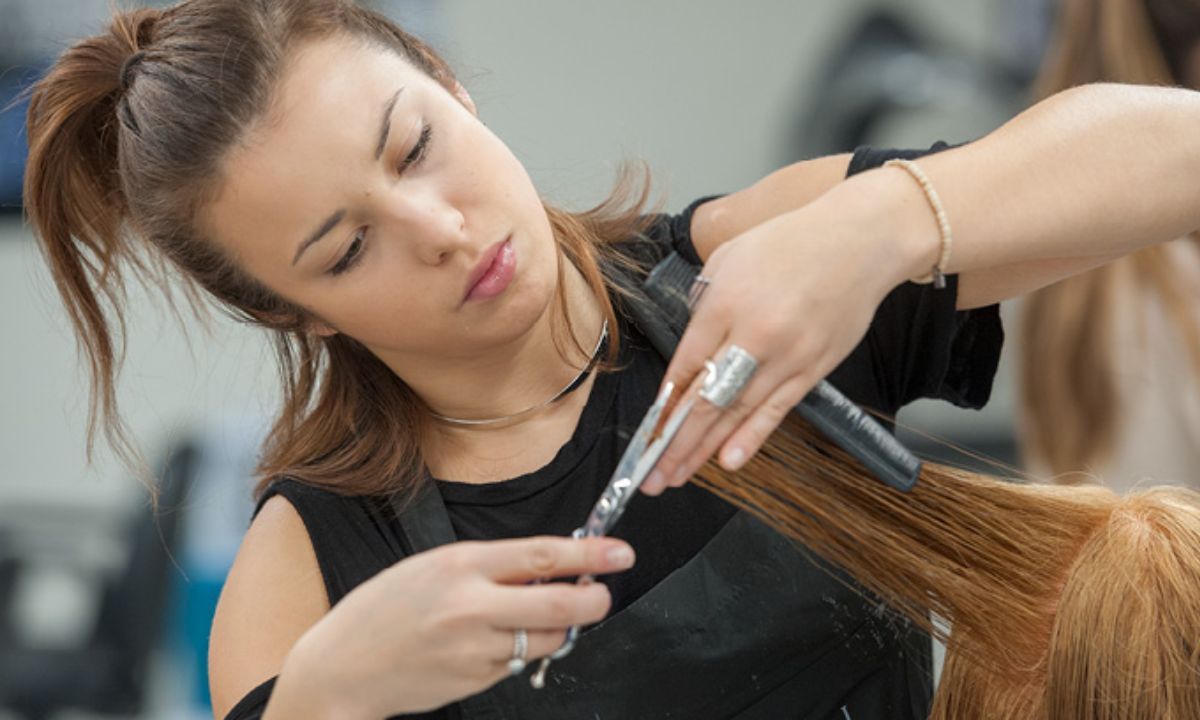
If you want to understand hair health beyond basic home care, joining the Best Hair Training Academy in Gurgaon can help you learn professional techniques related to hair texture, scalp analysis, hair treatments, styling, and product selection. Professional training can be particularly useful for students who want to build a career in the beauty and hair industry. Understanding the science behind different hair types can also help you avoid applying the same treatment to every client.
5. Use Hair Oil Carefully
Hair oiling is a common part of Indian hair-care routines. Oils can help reduce friction, improve the feel of dry hair, and make hair easier to manage. However, oil is not a magical treatment that can automatically increase hair growth or cure hair loss.
If you enjoy oiling your hair, use a moderate amount and avoid aggressively massaging the scalp. Vigorous rubbing can cause unnecessary mechanical stress, particularly when hair is already fragile.
People with dandruff or scalp conditions should also be careful because heavy oiling may not be appropriate for every scalp problem.
6. Protect Your Hair From Excessive Heat
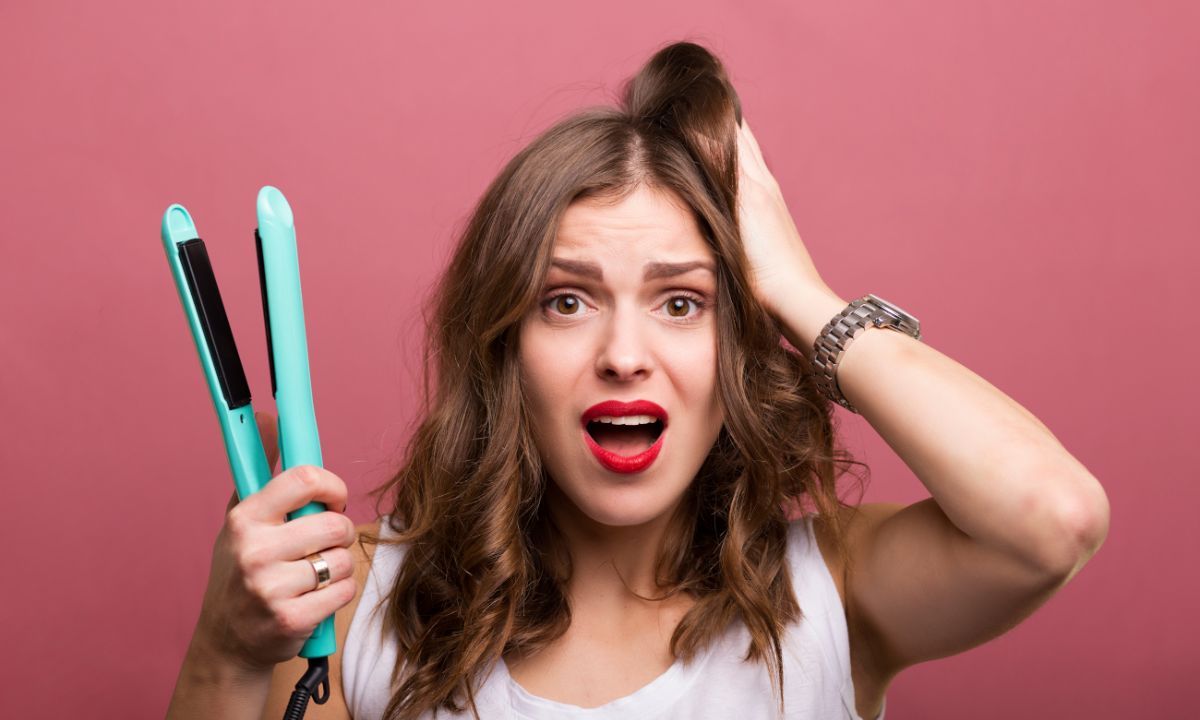
Frequent use of straighteners, curling irons, and high-temperature blow dryers can damage the hair cuticle and contribute to dryness, breakage, and split ends.
For healthier-looking hair:
- Use lower or moderate heat whenever possible.
- Avoid repeatedly passing a straightener over the same section.
- Use a suitable heat-protective product before heat styling.
- Allow your hair to dry naturally when practical.
- Avoid using extremely high temperatures on wet hair.
Remember that heat protection can reduce damage, but it does not make unlimited heat styling completely safe.
7. Be Gentle With Wet Hair
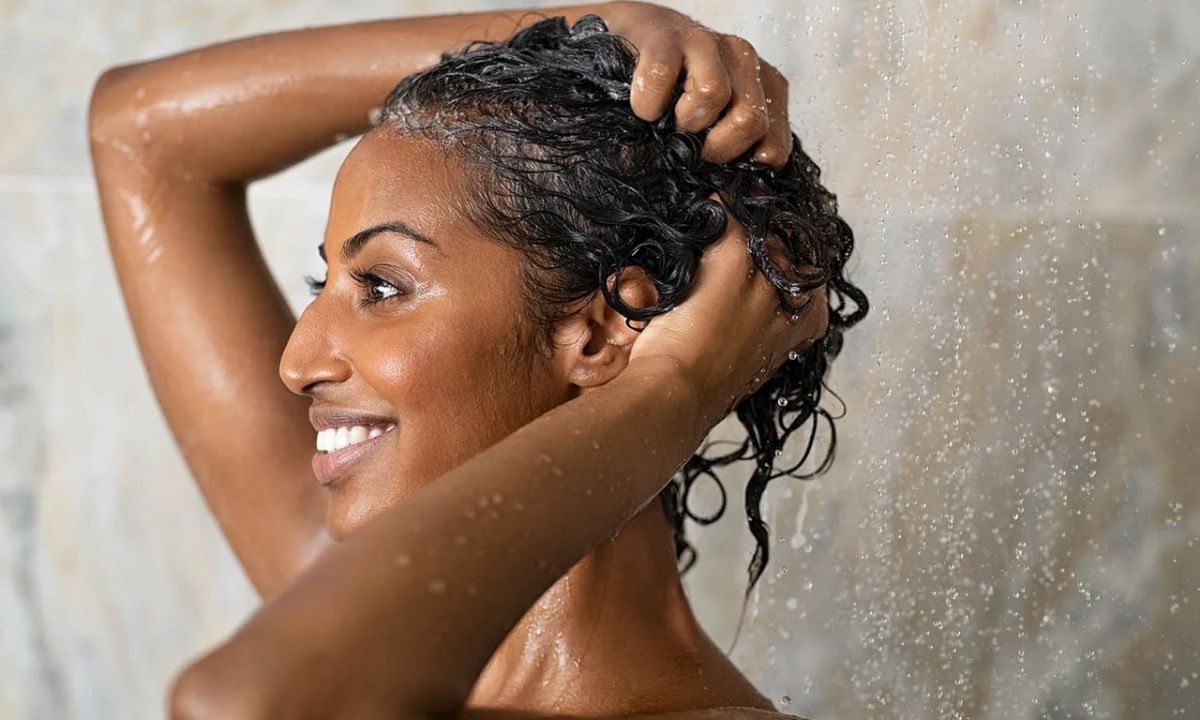
Wet hair is more vulnerable to stretching and mechanical damage. Rubbing your hair aggressively with a towel can create friction and contribute to frizz and breakage.
After washing, gently squeeze excess water from your hair. Instead of aggressively rubbing it, pat or wrap it gently with a soft towel or suitable hair-drying fabric.
Use a wide-tooth comb to carefully detangle the hair, starting from the ends and gradually moving upward. This reduces unnecessary pulling.
8. Eat a Balanced Diet
Hair growth depends on adequate nutrition because hair follicles require energy, protein, vitamins, and minerals to function properly.
Include a balanced diet containing:
- Protein-rich foods such as eggs, dairy, lentils, beans, fish, or other suitable protein sources
- Vegetables and fruits
- Whole grains
- Nuts and seeds
- Healthy fats
- Adequate fluids
Iron, zinc, vitamin D, vitamin B12, and other nutrients can be important for hair health when a person is deficient. However, taking supplements without knowing whether you actually need them is not always a good idea. Excessive intake of certain supplements can also cause problems.
If you have sudden or significant hair shedding, a dermatologist can determine whether nutritional deficiencies or another underlying condition could be contributing.
9. Avoid Too Many Chemical Treatments
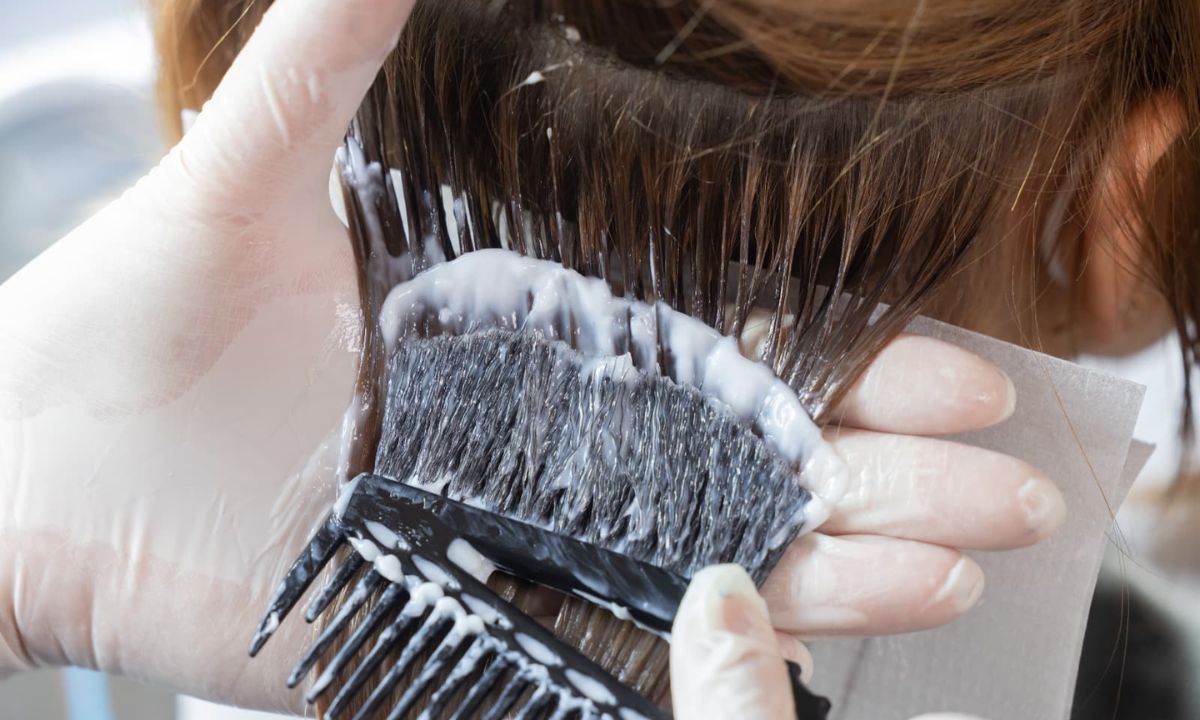
Hair colouring, bleaching, rebonding, relaxing, and frequent chemical treatments can alter the structure of the hair. When performed repeatedly or incorrectly, they may lead to dryness and breakage.
You do not necessarily need to completely avoid colouring or styling your hair. The key is to avoid unnecessary overlapping chemical treatments and follow proper professional procedures.
Give your hair enough time between aggressive treatments, and use suitable conditioning products to maintain manageability.
10. Keep Your Scalp Healthy
Healthy-looking hair begins with the scalp. Excessive oiliness, persistent dandruff, itching, redness, scaling, or painful bumps should not simply be ignored.
A clean scalp does not mean scrubbing it aggressively. Instead, use appropriate cleansing products and avoid scratching.
If dandruff continues despite proper shampoo use, or you notice inflammation, excessive shedding, bald patches, or scalp pain, it is better to consult a dermatologist rather than continuously experimenting with home remedies.
11. Trim Split Ends
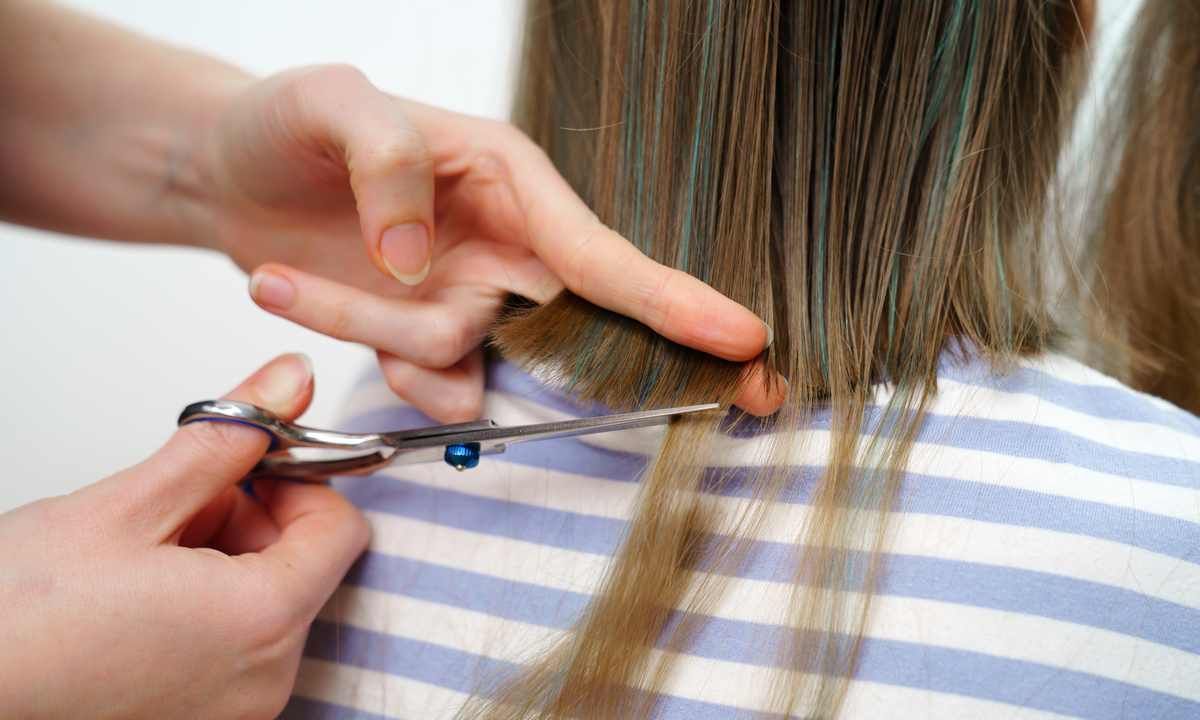
Regular trimming does not make hair grow faster from the roots. Hair grows from the follicles in the scalp, not from the ends.
However, trimming damaged ends can improve the overall appearance and prevent split ends from making the hair look rough and unkempt. How often you need a trim depends on your hairstyle, hair condition, and styling habits.
12. Avoid Tight Hairstyles
Regularly wearing very tight ponytails, buns, braids, or extensions can put continuous tension on the hair follicles. Over time, repeated pulling may contribute to traction-related hair loss.
Try to vary your hairstyles and avoid keeping your hair tightly pulled back for long periods. If a hairstyle causes scalp pain or headaches, it is probably too tight.
13. Do Not Believe Every Hair Growth Hack
The internet is full of claims about onion juice, rice water, DIY masks, special oils, and miracle hair-growth treatments. Some ingredients may make hair feel softer or improve its cosmetic appearance, but that does not mean they can treat every type of hair loss.
If you are experiencing actual hair thinning or excessive shedding, identify the underlying cause first. Hair loss can be related to genetics, hormonal changes, nutritional deficiencies, stress, medications, scalp disorders, or other medical conditions.
Treating the wrong cause can waste both time and money.
Simple Hair Care Routine for Shinier Hair
A basic routine can be surprisingly effective:
Step 1: Choose a shampoo suitable for your scalp.
Step 2: Clean the scalp gently without aggressive scrubbing.
Step 3: Apply conditioner to the lengths and ends.
Step 4: Detangle gently after washing.
Step 5: Limit unnecessary heat styling.
Step 6: Protect your hair from excessive chemical processing.
Step 7: Eat a balanced, protein-rich diet.
Step 8: Keep your scalp clean and monitor unusual changes.
Step 9: Trim damaged ends when necessary.
Step 10: Consult a dermatologist if you experience persistent hair loss or scalp problems.
Final Thoughts
Making your hair shiny and healthy is not about finding one miracle product. It is about maintaining a consistent routine that protects the scalp, reduces hair damage, provides adequate nutrition, and suits your individual hair type.
Start with the basics: gentle cleansing, regular conditioning, limited heat and chemical damage, careful detangling, balanced nutrition, and proper scalp care. Also remember that naturally healthy hair does not have to look perfectly glossy every day. Hair texture, genetics, age, climate, and lifestyle all influence how your hair looks.
If your main concern is excessive hair fall, sudden thinning, bald patches, severe dandruff, or scalp irritation, do not rely only on cosmetic products. A qualified dermatologist can help identify the underlying cause and recommend appropriate treatment.