
How to Choose the Right Skincare Routine for Your Skin Type?
Everyone’s skin is different. Some people have oily skin, while others have dry, sensitive, combination, or normal skin. This is why a skincare routine that works well for one person may not work the same way for someone else. The first step to better skincare is understanding your own skin type and its specific needs.
A good skincare routine does not have to be complicated. You only need to choose products that match your skin and use them consistently. If you are interested in learning skincare professionally, joining a Best Skin Care Course in Gurgaon can also help you understand skin types, products, basic skin analysis, and professional skincare techniques.
Why Is It Important to Know Your Skin Type?
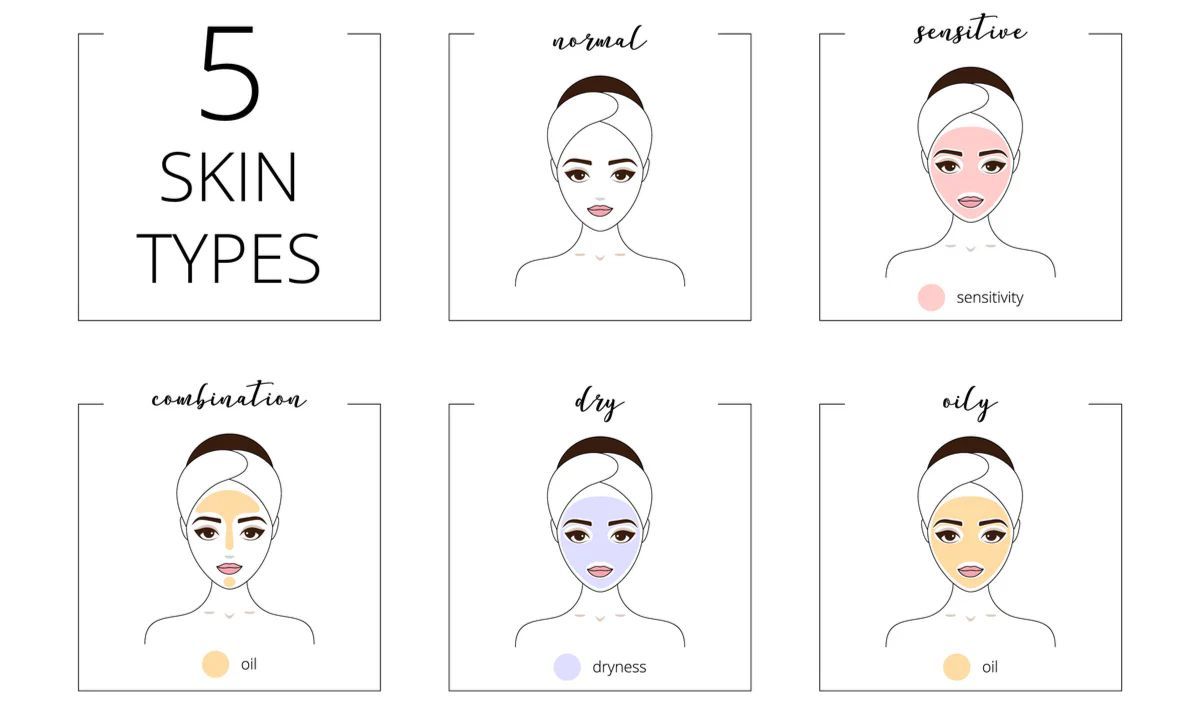
Knowing your skin type makes it easier to choose the right products. For example, someone with oily skin may prefer lightweight products, while a person with dry skin may need more moisturizing products.
Using products without understanding your skin can sometimes lead to dryness, excess oil, clogged pores, or irritation. This is why skin type should always be considered before creating a skincare routine.
For people who want to develop professional skincare knowledge, choosing a Best Skin Care Training Academy in Gurgaon can provide structured learning along with practical knowledge. Professional training can help students understand how different skin types respond to skincare products and treatments.
What Are the Main Skin Types?
There are five common skin types: oily, dry, combination, normal, and sensitive. Each type has different needs, so your routine should be adjusted accordingly.
1. Oily Skin
Oily skin produces more sebum, which can make the face look shiny. The forehead, nose, and chin may become particularly oily.
People with oily skin may also experience clogged pores and breakouts.
A simple routine for oily skin can include:
- A gentle cleanser
- A lightweight moisturizer
- A suitable sunscreen
- Non-comedogenic skincare products when appropriate
Avoid washing your face too frequently. Over-cleansing can irritate the skin and may make it feel uncomfortable.
2. Dry Skin
Dry skin often feels tight, rough, or flaky. It may become more noticeable during cold weather or when the skin is exposed to dry air.
The main goal for dry skin is to maintain hydration and support the skin barrier.
A basic routine can include:
- A gentle cleanser
- A moisturizing cream or lotion
- A hydrating product if needed
- Sunscreen during the daytime
Try to avoid harsh cleansers and excessive exfoliation, as these may make dryness worse.
3. Combination Skin
Combination skin has both oily and dry areas. The T-zone, which includes the forehead, nose, and chin, may be oily, while the cheeks may be normal or dry.
This means you may need to pay attention to different areas of your face rather than treating the entire face in exactly the same way.
A gentle cleanser, lightweight moisturizer, and sunscreen are good starting points. You can adjust your products depending on how your skin feels.
4. Normal Skin
Normal skin generally has a balanced level of oil and moisture. It may not feel excessively dry or oily.
Even if you have normal skin, regular skincare is still important. A simple routine can include cleansing, moisturizing, and using sunscreen during the day.
There is no need to use a large number of products simply because your skin is normal.
5. Sensitive Skin
Sensitive skin can react easily to certain products, weather conditions, or other environmental factors. Some people may notice redness, itching, burning, or discomfort.
If your skin is sensitive, keep your skincare routine simple. Choose gentle products and avoid introducing several new products at the same time.
A patch test before using a new product regularly can be helpful. If you experience persistent or severe irritation, consult a dermatologist.
How to Build a Simple Skincare Routine?

Once you know your skin type, creating a basic routine becomes easier. You do not need a shelf full of products to take care of your skin.
Step 1: Cleanse Your Skin
Cleansing helps remove dirt, sweat, excess oil, and makeup from the skin.
Choose a gentle cleanser that suits your skin type. Avoid products that leave your skin feeling extremely dry or uncomfortable after washing.
Step 2: Use a Moisturizer
Moisturizer helps keep the skin hydrated and supports the skin barrier.
People with oily skin can also use moisturizer. The key is choosing a texture that feels comfortable. Lightweight formulas may feel better on oily skin, while richer moisturizers may be more suitable for dry skin.
Step 3: Apply Sunscreen
Sunscreen should be an important part of your daytime skincare routine.
Regular sun protection helps protect your skin from UV exposure and can reduce the risk of sun-related skin damage and premature signs of aging.
Choose a broad-spectrum sunscreen and use it according to the product instructions.
Do You Need a Serum?
Serums are popular in skincare, but they are not essential for everyone.
If you are a beginner, it is better to start with a simple routine:
Cleanser + Moisturizer + Sunscreen
Once your basic routine is established, you can consider adding a serum based on your specific skin concern.
For example, different ingredients are commonly used for concerns such as dryness, uneven skin tone, or acne. However, using more products does not automatically mean better results.
How Often Should You Exfoliate?

Exfoliation can help remove dead skin cells and make the skin feel smoother. However, doing it too frequently can cause irritation.
The right frequency depends on the product, your skin type, and how your skin responds.
People with sensitive or easily irritated skin should be especially careful with exfoliating products. If you are unsure about using an exfoliant, professional advice can help you choose a suitable approach.
Common Skincare Mistakes to Avoid
Building a skincare routine is not only about choosing the right products. It is also about avoiding habits that can negatively affect your skin.
Using Too Many Products
More products do not always mean better skincare. Using too many products can increase the chance of irritation and make it difficult to identify which product is causing a problem.
Skipping Sunscreen
Some people focus only on cleansers and moisturizers and forget sunscreen. Daily sun protection is an important part of maintaining healthy-looking skin.
Changing Products Too Often
Constantly changing your skincare products can make it difficult to understand what actually works for your skin.
Try to introduce new products carefully rather than changing your entire routine at once.
Over-Exfoliating
Exfoliation can be useful, but excessive exfoliation may damage the skin barrier and cause irritation.
Copying Someone Else's Routine
A skincare routine that works for an influencer, friend, or family member may not work for you.
Everyone's skin is different. Your routine should be based on your skin type and individual concerns.
Can Skincare Be Learned Professionally?

Yes. Skincare can be learned as a professional skill through structured education and practical training.
A professional course can introduce students to topics such as skin types, skin analysis, cleansing techniques, facial procedures, product knowledge, hygiene, and basic skincare practices.
For people looking for guided learning, skin care coaching in Gurgaon can be an option to improve their understanding and develop practical skincare skills.
If you are planning to work in the beauty and wellness industry, professional training can help you build a stronger foundation instead of relying only on information found online.
How Can You Tell If Your Routine Is Working?
A good skincare routine does not necessarily produce overnight results. Instead, look for gradual improvements in how your skin feels and behaves.
Some positive signs may include:
- Your skin feels comfortable after cleansing
- Your skin feels properly hydrated
- Excess oil is better controlled
- Dryness is reduced
- Your skin feels less irritated
- Your routine is easy to maintain
Consistency is important. Give your routine reasonable time and avoid making frequent changes without a reason.
However, if a product causes significant burning, swelling, severe redness, or persistent irritation, stop using it and seek professional medical advice.
Final Thoughts
Choosing the right skincare routine starts with understanding your skin type. Oily, dry, combination, normal, and sensitive skin all have different needs.
You do not need a complicated routine. Start with the basics: cleanse your skin, moisturize regularly, and use sunscreen during the day. Once you understand your skin better, you can decide whether additional products are actually necessary.
The most important thing is to choose skincare based on your own skin rather than blindly following trends. And if you want to turn your interest in skincare into a professional career, proper training can help you develop the knowledge and practical skills needed to work confidently in the beauty and skincare industry.