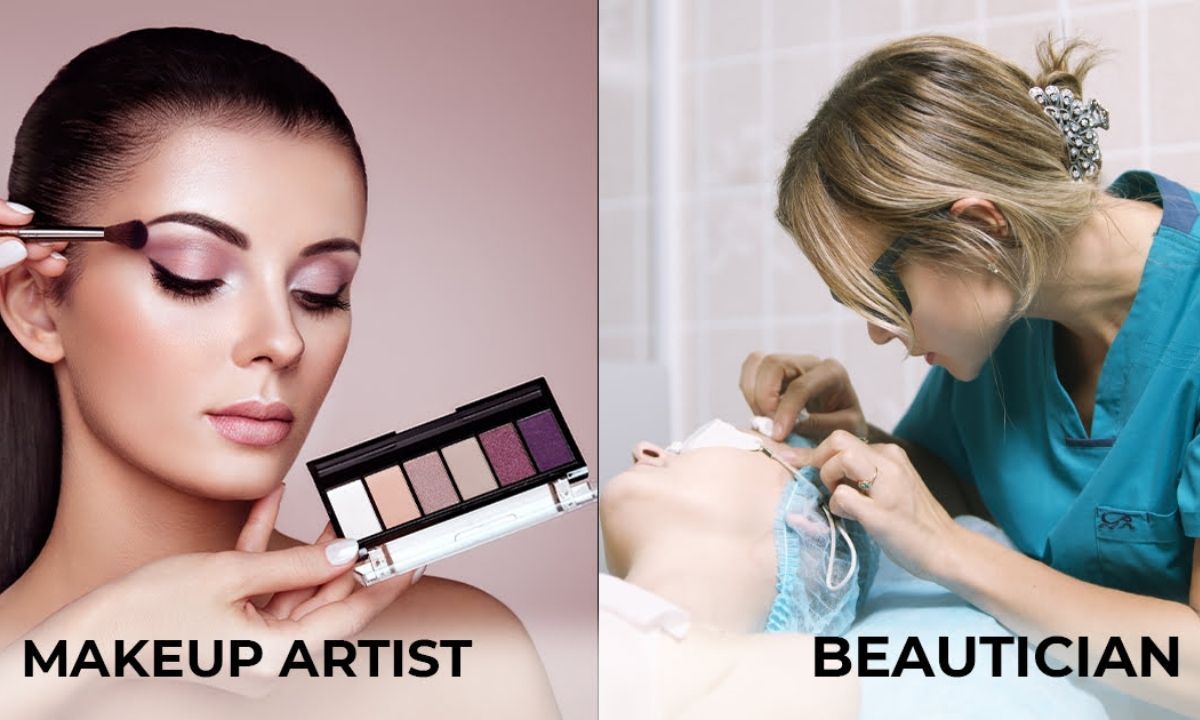
Makeup Artist vs Beautician: What's the Real Difference?
Makeup Artist vs Beautician: What's the Real Difference?
If you are planning a career in the beauty industry, you may have come across two popular career options: Makeup Artist and Beautician. Although both professionals work in the beauty and personal-care industry, their roles, skills, services, and career paths are quite different.
A makeup artist mainly focuses on enhancing a person's appearance through professional makeup, while a beautician provides a wider range of beauty and grooming services such as skincare, facials, waxing, threading, manicures, pedicures, and basic makeup.
So, which career is right for you? Should you choose makeup artistry, beautician training, or learn both? Let's understand the real difference and see what each career can offer.
Makeup Artist vs Beautician: The Quick Difference
The simplest way to understand the difference is:
A Makeup Artist specialises in makeup, while a Beautician specialises in a broader range of beauty and grooming services.
A makeup artist may work with brides, models, celebrities, photographers, influencers, or event clients. Their work often involves creating a specific look according to the occasion, outfit, lighting, face shape, and the client's preferences.
A beautician, on the other hand, usually provides regular beauty treatments that help clients maintain their skin, grooming, and overall appearance.
Neither career is automatically "better." The right choice depends on your interests, strengths, and the type of work you want to do.
What Is a Makeup Artist?
A makeup artist is a trained beauty professional who uses makeup products and techniques to enhance or transform a client's appearance.
Professional makeup is much more than simply applying foundation, lipstick, or eyeshadow. A skilled makeup artist needs to understand skin preparation, face shapes, colour combinations, product selection, blending techniques, hygiene, and how makeup appears under different lighting conditions.
Depending on their specialisation, makeup artists can create different looks for:
- Bridal functions
- Parties and special occasions
- Fashion shows
- Photoshoots
- Editorial work
- Films and television
- Events and celebrations
- Social media and content creation
A makeup artist can also choose to specialise in areas such as bridal, HD, airbrush, fashion, editorial, or creative makeup.
What Does a Makeup Artist Do?
A professional makeup artist may handle the complete makeup process, including:
- Understanding the client's requirements
- Analysing skin type and face shape
- Preparing the skin before makeup
- Selecting suitable products and shades
- Creating the desired makeup look
- Applying eye, base, lip, and contouring techniques
- Making the makeup suitable for photography and lighting
- Maintaining proper hygiene and sanitation
- Making adjustments according to the client's feedback
- Building a portfolio of professional work
For someone who enjoys creativity, beauty trends, transformation, and working with different looks, makeup artistry can be an exciting career path.
What Is a Beautician?
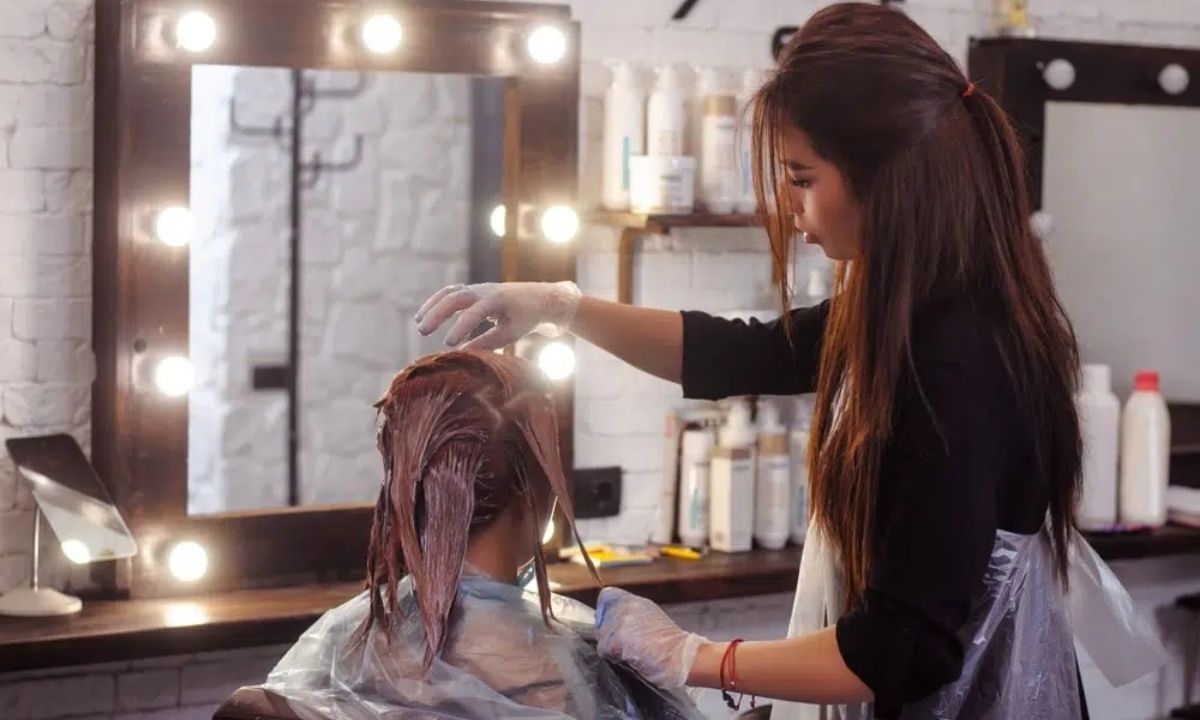
A beautician is a beauty professional trained to provide a broader range of personal-care and grooming services.
Unlike a makeup artist who primarily concentrates on makeup, a beautician may work across several areas of beauty care. Depending on their training, they can provide services related to skincare, hair care, nails, hair removal, grooming, and basic makeup.
Common beautician services include:
- Facials and skincare treatments
- Cleanup and basic skin treatments
- Waxing
- Threading
- Manicure and pedicure
- Basic hair care
- Basic hairstyling
- Grooming services
- Basic makeup application
Beauticians often work in salons, spas, beauty studios, wellness centres, or their own businesses.
This career can be particularly suitable for someone who enjoys working with regular clients and providing different beauty services rather than specialising only in makeup.
Makeup Artist vs Beautician: Key Differences
| FeatureMakeup ArtistBeautician | ||
| Main Focus | Professional makeup and look creation | Overall beauty, skincare and grooming |
| Core Skills | Makeup techniques, colour theory, face analysis | Skincare, grooming and beauty treatments |
| Common Services | Bridal, party, HD, fashion and event makeup | Facials, waxing, threading, nails, skincare and grooming |
| Typical Clients | Brides, models, event clients, photoshoot clients | Regular salon and beauty clients |
| Work Environment | Makeup studios, events, shoots, fashion, freelance | Salons, spas, beauty studios and personal businesses |
| Creative Focus | Very high | Moderate to high |
| Service Range | More specialised | Broader |
| Freelance Potential | High | Also possible |
| Business Opportunities | Makeup studio or freelance business | Salon, beauty studio or independent services |
| Client Relationship | Often occasion-based | Often long-term and repeat-based |
The biggest difference is therefore specialisation versus service range.
A makeup artist generally becomes known for creating specific looks, while a beautician can build a wider service portfolio.
What Skills Does a Makeup Artist Need?
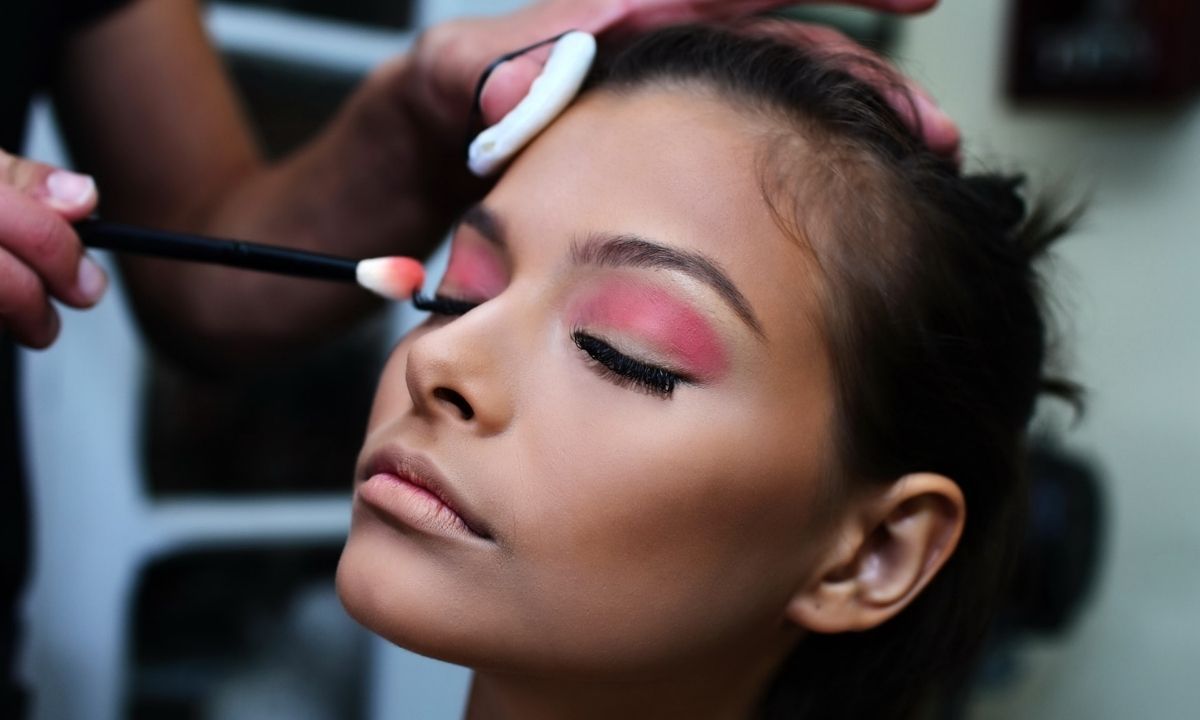
Being good at makeup requires more than knowing how to use beauty products.
Important skills include:
Colour Understanding
Knowing how different shades work together helps a makeup artist create balanced and personalised looks.
Face Shape Analysis
Different face shapes require different techniques for contouring, highlighting, blush placement, and eye makeup.
Product Knowledge
A professional needs to understand different types of foundations, concealers, primers, powders, setting products, and other cosmetics.
Precision and Blending
Professional makeup requires clean application, smooth blending, and attention to small details.
Client Consultation
Every client has different preferences, skin characteristics, outfits, and occasions. Good consultation skills help create the right look.
Hygiene
Clean brushes, tools, products, and working practices are essential when working directly with clients.
What Skills Does a Beautician Need?
Beauticians need a different combination of technical and interpersonal skills.
Skin Analysis
Understanding different skin types helps in selecting appropriate treatments and products.
Beauty Treatment Techniques
A beautician should develop practical skills in services such as facials, waxing, threading, manicure, and pedicure according to their training.
Grooming Skills
Good grooming knowledge helps beauticians provide personalised services to their clients.
Customer Service
Because many beauticians work with repeat customers, communication and customer experience are extremely important.
Hygiene and Sanitation
Professional hygiene practices are essential for maintaining a safe and professional service environment.
Makeup Artist or Beautician: Which Career Has Better Opportunities?
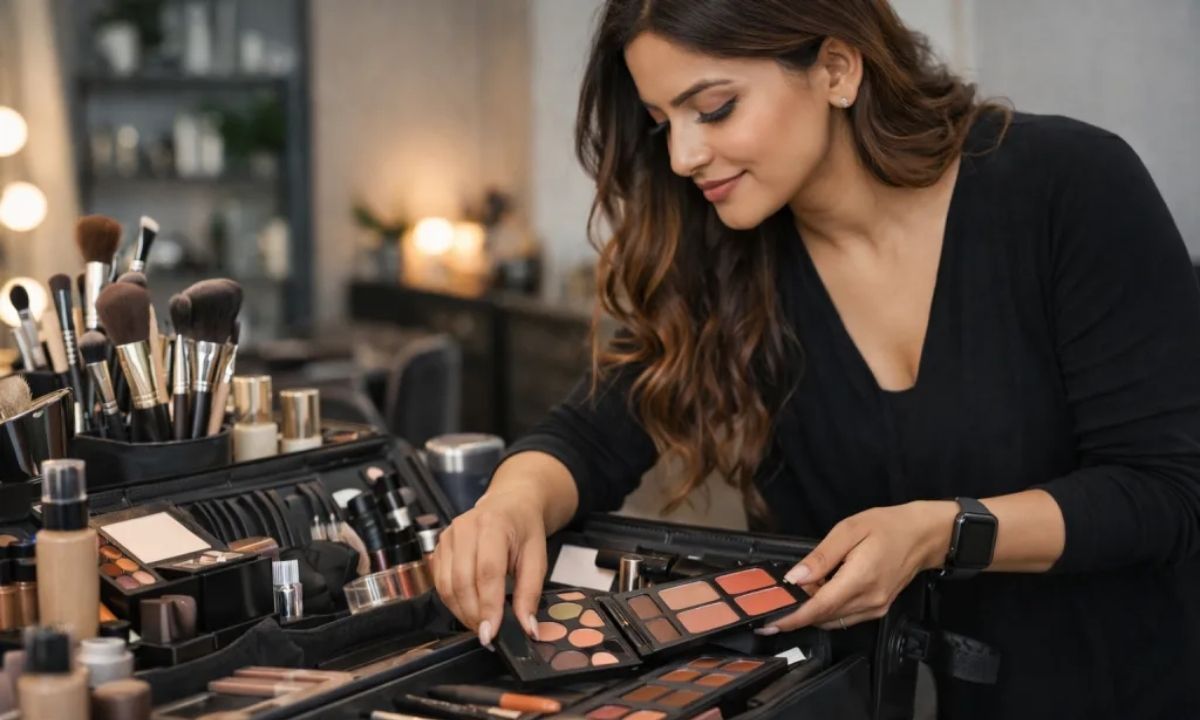
There isn't one universal answer.
Your choice should depend on the kind of work you actually want to do.
Choose Makeup Artistry If You:
- Enjoy creative makeup looks
- Love experimenting with colours and styles
- Want to work with brides or event clients
- Are interested in fashion and photoshoots
- Want to build a freelance career
- Enjoy creating before-and-after transformations
- Want to develop a strong personal brand
If bridal makeup interests you specifically, professional training can help you build the technical foundation required for working with bridal clients. A bridal makeup course in Gurgaon can be a relevant option for students who want to develop this specialisation.
Choose Beautician Training If You:
- Enjoy skincare and beauty treatments
- Want to work in a salon or spa
- Prefer providing multiple beauty services
- Like interacting with regular clients
- Want to develop a broader beauty skill set
- Are interested in starting your own salon or beauty business
A beautician course in Gurgaon can be considered by students looking for practical training across multiple areas of beauty and personal care.
Can You Become Both a Makeup Artist and a Beautician?
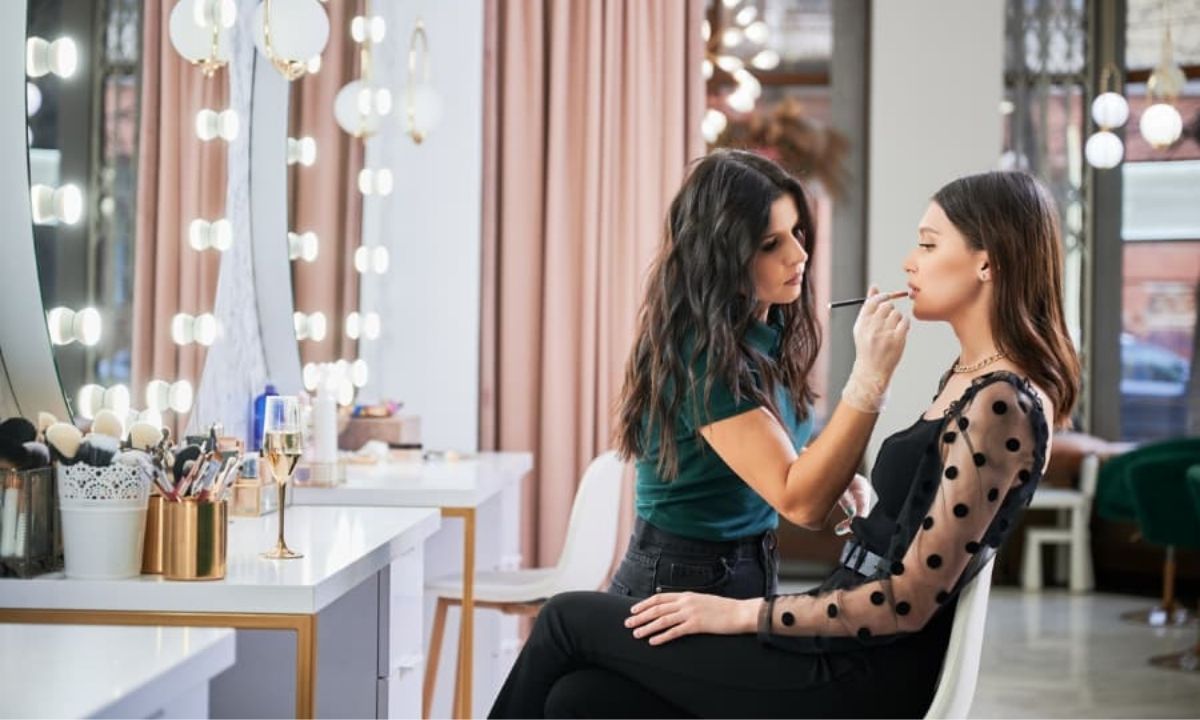
Yes, and this can actually be a smart career strategy.
You don't necessarily have to choose one skill forever.
For example, you could first train as a beautician and later specialise in professional makeup. Alternatively, you could begin with makeup artistry and add skincare, grooming, or other beauty services later.
Having skills in both areas can allow you to:
- Offer more services
- Work with different types of clients
- Create additional income opportunities
- Build a broader professional portfolio
- Start a more versatile beauty business
For someone planning to become an entrepreneur, combining both skill sets can be particularly useful.
Makeup Artist Course vs Beautician Course: Which Should You Choose?
Your course should match your career goal.
A Makeup Artist Course May Be Right for You If:
You want to specialise in professional makeup and eventually work in areas such as bridal, events, fashion, photography, or freelance makeup.
Look for training that includes practical makeup application, skin preparation, colour theory, face analysis, product knowledge, hygiene, and portfolio development.
Students specifically searching for professional makeup artist courses in Gurgaon should compare academies based on practical training, curriculum, trainer experience, and hands-on exposure rather than choosing a course based only on its name.
A Beautician Course May Be Right for You If:
You want to learn a wider range of beauty services and potentially work in a salon, spa, beauty studio, or your own business.
A good programme should provide practical exposure to the services included in its curriculum and teach proper hygiene, client consultation, product usage, and professional service techniques.
What Should You Look for in a Beauty Academy?
Choosing the right academy can have a major impact on your learning experience.
Before enrolling, check:
1. Practical Training
Beauty is a hands-on profession. Watching demonstrations alone is not enough. You need opportunities to practise techniques.
2. Experienced Trainers
Trainers should have practical industry knowledge and be able to explain techniques clearly.
3. Course Curriculum
Don't select a course simply because it has an attractive title. Check exactly what skills and services are included.
4. Live Practice
Working on models or real clients, where appropriate, can help students develop confidence and practical ability.
5. Portfolio Development
For makeup artists especially, a professional portfolio can be important when approaching clients or applying for opportunities.
6. Hygiene and Professional Standards
A professional academy should teach proper sanitation, tool cleaning, product handling, and client-care practices.
7. Career Support
If your goal is employment or freelancing, look for an academy that provides useful guidance around portfolios, interviews, client handling, and career development.
Why Choose a Professional Makeup Academy in Gurgaon?
If you are based in Gurgaon or nearby areas, studying locally can make regular practical training more convenient.
A professional makeup academy in Gurgaon can provide a structured learning environment where students can develop their skills under trainer guidance instead of trying to learn everything through online tutorials.
However, don't choose an academy just because it ranks for a keyword or has attractive social media posts. Look at the actual curriculum, practical exposure, trainers, student work, facilities, and career support before making your decision.
Career Paths After Professional Beauty Training
Both career paths can lead to different opportunities.
Makeup Artist Career Path
Training → Practice → Portfolio → Freelance/Employment → Specialisation → Personal Brand/Business
Possible areas include:
- Bridal makeup
- Event makeup
- Fashion
- Photoshoots
- Makeup studios
- Freelancing
- Beauty content creation
Beautician Career Path
Training → Salon/Studio Experience → Specialisation → Regular Client Base → Senior Role/Business
Possible directions include:
- Beauty salons
- Spas
- Beauty studios
- Skincare services
- Grooming services
- Freelance beauty services
- Own salon or beauty business
Your long-term income and career growth will depend on factors such as skill level, experience, location, client base, specialisation, reputation, and business ability—not simply the course title.
Makeup Artist vs Beautician: Which One Is Better for You?
Ask yourself what you enjoy most.
If you love makeup, creativity, transformation, and creating specialised looks → Makeup Artistry may suit you better.
If you enjoy skincare, grooming, beauty treatments, and working with regular clients → Beautician training may be a better fit.
If you want maximum flexibility → Consider learning both.
The important thing is not to select a course just because it is popular. Choose a career based on the services you enjoy providing and the kind of professional life you want to build.
Frequently Asked Questions
Is a makeup artist the same as a beautician?
No. A makeup artist primarily specialises in makeup application and look creation, while a beautician generally provides a wider range of beauty, skincare, and grooming services.
Which is better, makeup artist or beautician?
Neither is automatically better. Makeup artistry may be more suitable for people who enjoy creative makeup and freelance or event work, while beautician training may suit people interested in broader beauty services and salon careers.
Can a beautician become a makeup artist?
Yes. A beautician can take additional professional makeup training and specialise in areas such as bridal, event, HD, or other forms of makeup artistry.
Can a makeup artist become a beautician?
Yes. A makeup artist can learn additional skills such as skincare, grooming, nail care, or other beauty treatments through appropriate training.
Is makeup artistry a good career option?
It can be a good career for people who enjoy makeup, creativity, client interaction, and continuous skill development. Success depends heavily on practical ability, portfolio quality, networking, client experience, and business skills.
Can I start my own beauty business after training?
Yes, depending on your skills, experience, local requirements, and business plan. Some professionals start freelance services, while others eventually establish a makeup studio, salon, or beauty business.
Should I learn makeup or beautician skills first?
There is no single correct order. If your main interest is makeup, start with makeup training. If you want broader beauty skills, beautician training may be a better starting point. You can always add the other skill later.